

* doulCi Bypass Server source codes Cleaned, and soon in github.org, with the examples of codes you can build your own custom bypass server and know how-to activate iCloud with doulCi. Also! We are going to publish two new write up's about bypass hacks on this website.
* doulCi Activator ZIP files gotten from the web-searches is not a doulCi Team Software, we have not published any iCloud Bypass Software on the web. We just had doulCi Server with MAGIC LINE, and a video on youtube showing the software educative solution. Please Note that We are NOT RESPONSIBLE FOR ANY DAMAGES TO YOUR COMPUTERS IF YOU HAVE USED ONE OF THEM OR OTHER THINGS THEN DOULCI ICLOUD BYPASS SERVER WHEN IT WAS ONLINE.
The greatest trick of these scam artists is not that they copy @MerrukTechnolog (Maroc-OS) / @Merruk.
But it's when they make/tell everyone else think they are not!
- doulCi was built with love for people, to give them a second chance to get there iDevices working again (locally iCloud free, bypassed) for simple use, if you use iCloud we have made this project because we are thinking about you, and how we can be helpful for you and your family's safety. This amazing iCloud Hack tool called doulCi can bypass the iCloud Activation Lock and get your device working again, partially (we do not give you a bypass to forgot password for iCloud, login iCloud email, personal iCloud activation infos or how to use iCloud but we give you just a hack iCloud help with our free service to bypass it if you know how to activate iCloud with this tool), so you can get back your digital life, contacts, mail, notes, etc... Without giving you a full access to the cellular network, or a full functional device, because we are not sure that you are the real owner of this bypassed iDevice.
- doulCi bypass is built only for personal use, and conditionally for the original owners which have lost/got hacked or forgot there iCloud login informations. Please! Use it at your own risk.
Thanks for all the grateful people who we love. And because they believe in us and our free iCloud bypass service.
- doulCi.com still up only until today just for proof reasons, and to let people know about that this website is the only, was and still the official doulCi bypass website.
- Also, to let them know about the server with the magic line and all the was suspended in the last months of 2014, after Apple patched the two vulnerabilities used in that bypass.
- Because i want to make it clear for all my followers and people who comes from search engines, if we shut-down, others will be free and only on the web, they will lie to you without any reason, just because they want to stole your money or do something else bad.
- The word "doulCi" has been stolen by scammers and thief’s, and everyone now on the internet claims that he is part of what was so called "doulCi Team", they are all scammers, and i/we have never released a software or a programme to bypass Apple's iCloud called "doulCi Activator, doulCi Kitchen, doulCi Programme, doulCi Registrations, doulCi Server Licences, etc..." or anything else, the above words are all scam except for doulCi Kitchen that i have only published an article about it in my website "merruk.com". If you found a software or someone else claim he have it then it's a lie, again.
- just because am afraid from those scammers and thief's to use it (doulCi Kitchen) for other lies, ad-ware, spyware, malware, virus/trojan to build bot-nets and/or other scam proposes, and because scammers maked the name "doulCi" really bad and a reflection of scam, i decided to do not release it and only write an article about the basics of how it works on this article doulCi Kitchen, a.k.a. doulCi 2.0 just after the article that talks about leaving Apple's products and any other researches about it here, Maroc-OS's Goodbye Article Introduction..
- The new Developed method of this iCloud ByPass didn't released for public, but an article of PoC details was published in merruk.com as i said above, and PoC tests provided/proofed in twitter by @MerrukTechnolog, in the middle of 2015.
- After publishing the detailed techniques by about 6 or 7 months later only one other person has got a way to do it, because we had some shared infos from both parts, this method is only works for iOS 7.1.1 and lower, otherwise everything published on the internet now are just scam/viruses or thief in about 90% of cases, the last 10% cases uses illegal ways to do this which I never agree or accept to be one of them, and there prices are very heigh.
- Maybe after some time, when ll be sure there are no people who will use me and my research to do illegal things or get money from free knowledges/services that is shared for free, then I can open-source this doulCi Kitchen method.
knightofkanto"Thanks from Las Vegas iPod touch 5th gen (3 including the one I'm using )"
Mr. Oak"I already told you that you're THE BEST, AMAZING, MASTER. I really thanks you"
iCloud Bypass : doulCi is the world's first alternative iCloud server, and the world's first iCloud Activation Bypass. doulCi will bypass and activate your iDevice for you when you are stuck at the activation menu.
So, why would you use it? For example, if you have forgot your iCloud email Apple ID or password, or you are no longer have access to your old iTunes email account, then its impossible to regain control of your Apple Product! no iCloud mail account will be given to you. doulCi iCloud bypass server is the only solution on the web that will enable you to regain the permanent access of your Apple iDevice and give it back to you without using the original icloud account email and password, but there is some limitation, you have no control of cellular data and no cellular network.
More Information and iCloud help will follow soon if you forgot iCloud! so stay tuned on merruk.com or doulci.com

We Had Support for All Apple iDevices!
GSM iPad's and iPhone 4S, iPhone 5 (C) (C), Still In Beta Testing, and needs a SIM Card with pin active on it to bypass the activation loop state. Please follow doulCi Team members on twitter or the Official doulCi websites for daily updates.

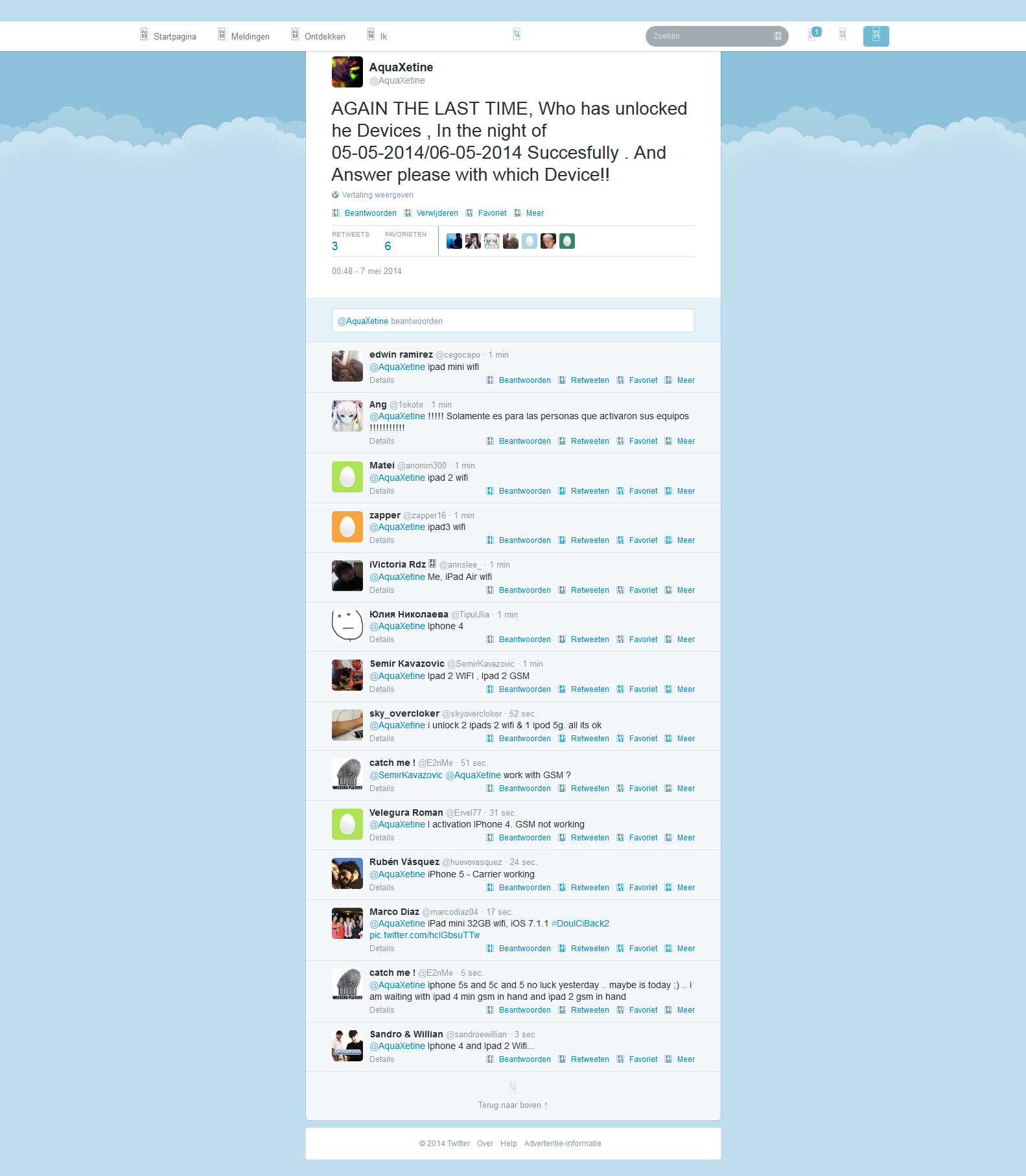
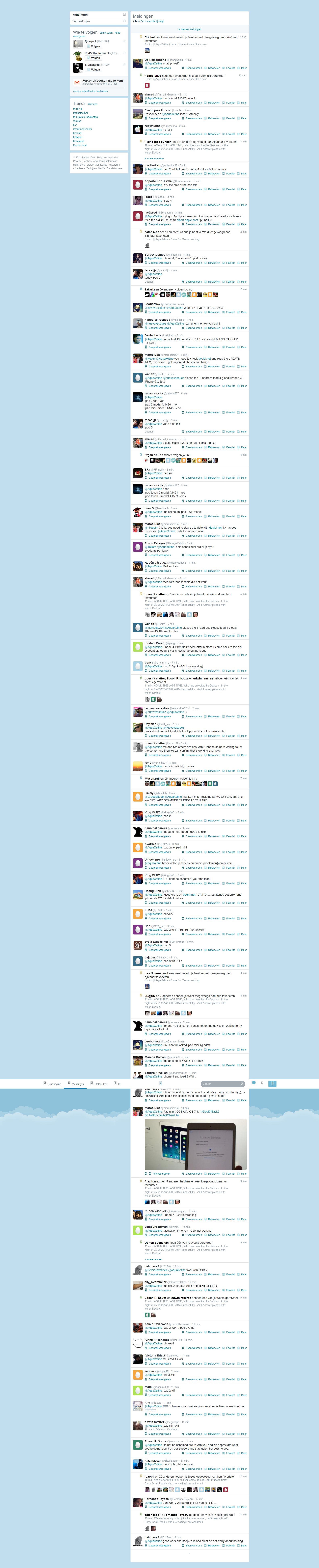
This is the first conversation that proof what gadgetwide using as server is the real and only working platform (doulCi).



For the average person, navigating this landscape is confusing. Labels like "cage-free," "free-range," "pasture-raised," and "Certified Humane" are welfare improvements, not rights endorsements.
Where are we headed by 2035 and beyond?
Most people are not philosophers or activists. We are consumers. We love our cats but eat burgers. We wear wool but hate the idea of mulesing (a painful practice in sheep shearing).
Here is the current reality: Pure animal rights is a political non-starter for the global majority.
Only 5% of the US population identifies as vegan. While the Rights movement provides the moral North Star (zero exploitation), the Welfare movement provides the incremental steps (larger pens, stunning before slaughter, ban on puppy mills).
While modern, AZA-accredited zoos argue they promote conservation and education (welfare via enrichment and space), rights advocates counter that captivity induces zoochosis (repetitive, neurotic behaviors). Circuses using elephants or tigers are increasingly banned worldwide due to welfare concerns, but rights activists go further, arguing that wild animals never belong in a cage for human amusement.
We often think of animal welfare and animal rights as the same cause, just different degrees of compassion. But the difference isn't one of degree—it's one of worldview. Understanding that difference might be the most important step we take toward justice.
Welfare says: Let's make the cage bigger.
Rights says: Why is there a cage at all?
Animal welfare, at its best, is about minimizing suffering within systems we accept as necessary—farming, research, zoos, entertainment. It fights for enriched enclosures, humane slaughter, and pain management. These are noble, vital battles. A hen in a spacious, enriched barn is better off than one crammed into a battery cage.
But rights asks a quieter, more radical question: Does the hen belong to us at all?
This isn't about being "against" farmers or pet owners. It's about recognizing that sentience is not a sliding scale of moral value. A pig feels joy, boredom, terror, and the warmth of companionship. A rat will free a trapped cage-mate before taking food for itself. An octopus, with neurons distributed through its arms, may dream.
Rights argues that these beings are not our resources—not for food, not for experimentation, not for entertainment. They are individuals with their own lives, their own desires, their own ends. Using them as means to our ends, no matter how humanely, is a category error. You cannot humanely violate a right. You cannot kindly treat a being as property.
This is uncomfortable because we are deeply implicated. Our medicine, our diets, our clothing, our hobbies—many are built on the backs, the hides, the very lives of others. Welfare asks us to be kinder masters. Rights asks us to question whether we should be masters at all.
Here's where it gets interesting—and hopeful. The line between welfare and rights is blurring. When courts in New Zealand recognize rivers as legal persons, when Spain grants basic rights to great apes, when a judge in Argentina rules that an orangutan is a "non-human person" unlawfully detained—we see the cage door opening.
What would change if we looked into the eyes of a cow, a chicken, a dolphin, and instead of asking "What can this give me?" we asked "What does this being need to flourish on its own terms?"
Not bigger cages. No cages.
Not longer chains. No chains.
Not a better death. A life that was never sentenced to death at all.
The animal rights movement isn't asking you to be perfect overnight. It's asking you to see. To notice the animal in the mirror—yes, you are an animal too—and then to notice the animal on your plate, in the lab, in the circus, on the leather sofa.
Once you truly see, you can't unsee. And once you can't unsee, the only real question is: What do I do now?
That’s the interesting part. Because the answer isn't a single action. It's a door. And it's already opening.
While the terms animal welfare and animal rights are often used interchangeably, they represent two distinct philosophical and practical approaches to the treatment of non-human beings. Understanding these differences is essential for navigating modern ethical debates, legislation, and personal lifestyle choices. 1. Defining the Core Concepts
Animal Welfare: This focuses on the physical and mental state of an animal. It accepts that humans may use animals for food, research, or companionship, but emphasizes that this use must be "humane," minimizing pain and distress.
Animal Rights: This is a more fundamental philosophical position stating that animals have inherent moral worth independent of their utility to humans. Advocates believe animals should not be used, exploited, or interfered with at all. 2. The Practical Standards: The Five Freedoms
The "Five Freedoms" serve as the international benchmark for assessing animal welfare:
Freedom from Hunger and Thirst: Access to fresh water and a diet that maintains health.
Freedom from Discomfort: Providing an appropriate environment, including shelter and a comfortable resting area.
Freedom from Pain, Injury, or Disease: Prevention through rapid diagnosis and treatment.
Freedom to Express Normal Behavior: Providing sufficient space and proper facilities.
Freedom from Fear and Distress: Ensuring conditions and treatment which avoid mental suffering. 3. Key Differences in Goals
Animal Welfare - WOAH - World Organisation for Animal Health
While the terms animal welfare and animal rights are often used interchangeably, they actually represent two very different ways of thinking about our relationship with the creatures we share the planet with. Understanding the difference is the first step toward becoming a more conscious advocate for animals. 1. Animal Welfare: "Better Lives"
The focus of animal welfare is the quality of life an animal experiences. It is a pragmatic, science-based approach that accepts the human use of animals (for food, research, or companionship) as long as they are treated humanely. Animal Rights Vs Animal Welfare - What's the difference?
The welfare approach is generally reformist and utilitarian. It accepts that humans have a right to use animals for human benefit (food, research, clothing) but insists that this use must be regulated to minimize suffering.
Introduction
Animal welfare and rights have become a significant concern in recent years, with many people advocating for the humane treatment of animals. Animal welfare refers to the physical and psychological well-being of animals, while animal rights involve the recognition of animals as individuals with inherent rights, similar to those of humans. The concept of animal welfare and rights is based on the idea that animals are sentient beings capable of experiencing pain, joy, and suffering, and that they deserve to be treated with respect and compassion.
History of Animal Welfare and Rights
The modern animal welfare movement began to take shape in the 19th century, with the establishment of the Royal Society for the Prevention of Cruelty to Animals (RSPCA) in England in 1824. The RSPCA aimed to prevent cruelty to animals and promote their welfare. Since then, numerous organizations and laws have been established to protect animals from cruelty and promote their welfare. zooskool inke bestiality wwwsickpornin avi repack
Principles of Animal Welfare
The principles of animal welfare are based on the Five Freedoms, which were developed by the Brambell Committee in 1965. These freedoms are:
Animal Rights
Animal rights are based on the idea that animals have inherent rights, similar to those of humans. These rights include:
Current Issues in Animal Welfare and Rights
There are many current issues in animal welfare and rights, including:
Laws and Regulations
There are many laws and regulations that aim to protect animal welfare and rights, including:
Organizations Working for Animal Welfare and Rights
There are many organizations working to promote animal welfare and rights, including:
Conclusion
Animal welfare and rights are important issues that require attention and action. By understanding the principles of animal welfare and rights, and by working together to promote the humane treatment of animals, we can create a better world for all beings. Whether through advocating for policy changes, supporting organizations working for animal welfare, or making conscious choices in our daily lives, we can all play a role in promoting animal welfare and rights.
Recommendations for Improving Animal Welfare and Rights
By working together, we can create a world where animals are treated with the respect and compassion they deserve.
A Comprehensive Guide to Animal Welfare and Rights
Introduction
Animal welfare and rights are essential considerations in modern society. As humans, we have a responsibility to treat animals with respect, kindness, and compassion. This guide provides an overview of animal welfare and rights, including the history of the movement, key principles, and ways to get involved.
History of Animal Welfare and Rights
The animal welfare movement has its roots in ancient civilizations, with philosophers like Pythagoras and Seneca advocating for animal compassion. However, the modern animal welfare movement began to take shape in the 19th century with the establishment of the Royal Society for the Prevention of Cruelty to Animals (RSPCA) in England.
In the 20th century, the animal rights movement gained momentum, with philosophers like Peter Singer and Tom Regan arguing that animals have inherent rights and should not be treated as property.
Key Principles of Animal Welfare
Animal Rights
Animal rights are based on the idea that animals have inherent rights and should not be treated as property. Key principles of animal rights include:
Ways to Get Involved
Challenges and Opportunities
Conclusion
Animal welfare and rights are essential considerations in modern society. By understanding the history, key principles, and ways to get involved, we can work towards a world where animals are treated with respect, kindness, and compassion. Remember, every small action counts, and collective efforts can lead to significant positive change.
Resources
Further Reading
The relationship between humans and animals has evolved from one of pure utility to a complex ethical dialogue centered on two distinct but related concepts: animal welfare and animal rights. While both aim to protect non-human species, they operate on different philosophical planes and propose different solutions for our shared future. Animal Welfare: The Pragmatic Approach
Animal welfare focuses on the physical and mental well-being of animals under human care. It is based on the principle of humane treatment, acknowledging that humans use animals for food, research, and companionship, but have a moral obligation to minimize suffering. The standard framework for welfare is the "Five Freedoms": Freedom from hunger and thirst. Freedom from discomfort. Freedom from pain, injury, or disease. Freedom to express normal behavior. Freedom from fear and distress.
Welfare advocates push for better farming conditions, stricter laboratory regulations, and stronger anti-cruelty laws. It is a reformist approach that seeks to improve the "how" of animal use without necessarily banning the use itself. Animal Rights: The Philosophical Shift
Animal rights represent a more radical departure from traditional views. This philosophy posits that animals possess inherent rights to live free from human exploitation, regardless of how "humanely" they are treated.
Advocates like Peter Singer (utilitarianism) and Tom Regan (deontology) argue that the ability to feel pain and experience life (sentience) grants animals a moral status equal to humans in certain respects. From this perspective, animals are not "resources" or "property." Consequently, animal rights movements often call for the total abolition of institutionalized animal use, including factory farming, animal testing, and the use of animals in entertainment. The Modern Intersection
Today, the line between these two often blurs in public policy. Many "welfare" improvements are seen as stepping stones toward "rights." For example, several countries have legally recognized animals as "sentient beings" rather than mere property, a shift that bridges the gap between providing comfort and acknowledging a fundamental right to a quality life. Conclusion
Ultimately, both animal welfare and animal rights challenge us to look beyond our own species. Whether through the lens of compassionate management or the recognition of legal personhood, the goal is the same: to reduce the footprint of human-inflicted suffering and foster a more ethical coexistence with the creatures that share our planet.
Animal welfare and animal rights are distinct but complementary frameworks that guide how humans treat non-human animals. While often used interchangeably, they represent different scientific and philosophical approaches to animal protection. Core Frameworks For the average person, navigating this landscape is
Animal Welfare (Scientific Approach): Focuses on the physical and mental well-being of animals under human care. It generally accepts the human use of animals (for food, research, or companionship) provided they are treated humanely and unnecessary suffering is minimized.
Animal Rights (Philosophical Approach): Advocates that animals have inherent legal or moral rights similar to humans, such as the right to live free from human exploitation. Proponents often seek to end the use of animals for food, entertainment, or research entirely. Key Standards of Animal Welfare
The assessment of animal well-being is often guided by standardized frameworks used by organizations like World Animal Protection and the RSPCA. Components Description The Five Freedoms
Hunger/Thirst, Discomfort, Pain/Injury, Normal Behavior, Fear/Distress
Established in 1965 to ensure basic survival and health needs for farmed animals. The Five Domains Nutrition, Environment, Health, Behavior, Mental State
A modern update that emphasizes an animal's "affective state"—ensuring they experience positive emotions, not just the absence of pain.
The following piece explores the core differences and evolving connections between animal welfare and animal rights, highlighting why both are essential for modern ethical standards. From Comfort to Justice: Bridging Animal Welfare and Rights While often used interchangeably, animal welfare animal rights
represent two distinct philosophical and legal approaches to how we treat non-human beings. Understanding their nuances is key to advancing a more compassionate world. Animal Welfare: The Standard of Care
The animal welfare movement is rooted in the belief that humans have a moral obligation to minimize animal suffering whenever possible. This perspective does not necessarily oppose the use of animals for food, clothing, or research, but it demands that these uses are humane. A central framework for this approach is the Five Freedoms , which state that animals should be free from: Hunger and thirst Discomfort Pain, injury, and disease Fear and distress The restriction of natural behaviors Modern science is shifting toward the Five Domains Model
, which looks beyond merely avoiding the "negative" and focuses on promoting "positive" mental states for sentient animals. Animal Rights: The Philosophy of Personhood
Animal rights go a step further, arguing that animals have inherent moral worth independent of their utility to humans. This philosophy suggests that animals possess basic interests—such as the right to life and liberty—that should be afforded the same consideration as similar human interests. Proponents of animal rights, such as those in the animal liberation movement
, argue that using animals for entertainment or food is fundamentally immoral because these uses satisfy human "wants" rather than "necessities". Some even advocate for animals to have legal personhood or "citizenship" within political systems to ensure their interests are represented in law. Bridging the Gap
Increasingly, experts argue that welfare and rights are not mutually exclusive but are "Different Languages for the Same Idea". For example, the Five Freedoms
can be viewed as a functional set of rights that bridge the gap between providing comfort and ensuring long-term security. Globally, this is becoming a legal reality. Countries like
have enshrined animal welfare and compassion for living creatures as a fundamental duty of every citizen in their Constitution. At the international level, there are ongoing efforts to include animal welfare in the United Nations Sustainability Agenda
to ensure that the relationship between humans and nature is truly transformative. further adapted
for a specific format, like a social media post, a legal brief, or a school essay?
The concept of animal welfare and rights has gained significant attention in recent years. As humans, we have a moral obligation to treat animals with respect, kindness, and compassion. Animal welfare refers to the physical and emotional well-being of animals, while animal rights advocate for the inherent rights of animals to live free from exploitation and cruelty.
One of the primary concerns in animal welfare is the treatment of animals in industries such as factory farming, animal testing, and entertainment. Factory farming, for instance, involves keeping large numbers of animals in cramped and unsanitary conditions, often without access to natural light, fresh air, or adequate nutrition. This can lead to physical and psychological suffering, as well as the spread of diseases. Similarly, animal testing involves subjecting animals to painful and often lethal experiments, which can be considered a form of torture.
Animal rights activists argue that animals have the right to live free from exploitation and that their interests should be taken into account when making decisions that affect them. This perspective is based on the idea that animals are sentient beings, capable of experiencing pleasure, pain, joy, and suffering, just like humans. As such, they deserve to be treated with respect and dignity.
The concept of animal rights is rooted in various philosophical and ethical theories, including utilitarianism, deontology, and virtue ethics. Utilitarianism, for example, suggests that actions are right if they promote the greatest happiness for the greatest number of beings, including animals. Deontology, on the other hand, emphasizes the importance of moral rules and duties, such as the duty to treat animals with respect and kindness.
There are several key principles that underlie animal welfare and rights. These include:
In recent years, there has been a growing trend towards recognizing and protecting animal welfare and rights. Many countries have enacted laws and regulations to improve animal welfare, such as laws against animal cruelty, neglect, and abandonment. Additionally, there are various organizations and advocacy groups working to promote animal welfare and rights, such as the Humane Society, the World Wildlife Fund, and PETA.
However, despite these advances, there is still much work to be done to protect animal welfare and rights. Many animals continue to suffer in silence, and their interests are often ignored or dismissed. It is essential that we continue to raise awareness about animal welfare and rights, and work towards creating a more just and compassionate society for all beings.
In conclusion, animal welfare and rights are essential considerations in our society. As humans, we have a moral obligation to treat animals with respect, kindness, and compassion. By recognizing and protecting animal welfare and rights, we can create a more just and compassionate society for all beings.
Some potential solutions to improve animal welfare and rights include:
The Surprising Connection Between Animal Welfare and Human Wellbeing
Did you know that there's a strong link between animal welfare and human wellbeing? Not only do animals have inherent rights to live free from cruelty and suffering, but their treatment also has a significant impact on our own lives.
The Science Behind the Connection
Studies have shown that people who are more compassionate towards animals tend to be more empathetic and caring towards humans as well. In fact, research has found that individuals who support animal welfare are more likely to be involved in their communities, volunteer, and engage in pro-social behaviors.
The Dark Side of Animal Cruelty
On the other hand, animal cruelty has been linked to a range of negative outcomes, including:
The Power of Kindness
So, what can we do to promote animal welfare and rights? Here are a few simple steps:
Every Small Action Counts
By making conscious choices and taking small actions, we can create a ripple effect of kindness that benefits both animals and humans. So, let's work together to create a more compassionate world – for all beings!
Some key organizations working towards animal welfare and rights include: The welfare approach is generally reformist and utilitarian
What can you do today to make a difference?
The Moral Compass: Navigating the Landscape of Animal Welfare and Rights
For centuries, the relationship between humans and animals was defined purely by utility. Animals were tools for labor, sources of food, or materials for clothing. However, as our understanding of biology, neuroscience, and ethics has evolved, so has our collective conscience. Today, the conversation surrounding "animal welfare" and "animal rights" is a central pillar of modern ethics, reflecting a profound shift in how we view our fellow inhabitants of Earth.
While often used interchangeably, welfare and rights represent two distinct philosophical approaches to the same goal: reducing suffering. Understanding Animal Welfare: The Standard of Care
Animal welfare is a science-based approach focused on the well-being of the animal. It operates under the premise that it is acceptable for humans to use animals for food, research, and companionship, provided that the animals are treated humanely and their physical and mental needs are met.
The gold standard for welfare is the "Five Freedoms," originally developed for livestock but now applied across the board:
Freedom from hunger and thirst (access to fresh water and a healthy diet).
Freedom from discomfort (providing an appropriate environment and shelter).
Freedom from pain, injury, or disease (prevention and rapid treatment).
Freedom to express normal behavior (sufficient space and proper facilities).
Freedom from fear and distress (ensuring conditions and treatment which avoid mental suffering).
Welfare advocates work within existing systems to pass laws for larger cages, better veterinary care, and more humane slaughter practices. Understanding Animal Rights: The Philosophical Shift
Animal rights, by contrast, is a more radical philosophical position. It argues that animals have an inherent right to live free from human exploitation and use. Proponents believe that animals are not "property" or "resources," but "persons" in a legal or moral sense.
From an animal rights perspective, the goal isn't just to make the cages bigger—it’s to empty them. This movement often advocates for: The abolition of animal testing in all forms. A shift toward plant-based diets (veganism).
The end of animals in entertainment, such as circuses or marine parks. Legal standing for non-human animals in court. The Intersection of Science and Sentience
The bridge between these two schools of thought is sentience. Modern science has proven that many animals—not just mammals, but birds, cephalopods (like octopuses), and even some insects—possess the capacity to feel pain, joy, and boredom.
The Cambridge Declaration on Consciousness (2012) formally acknowledged that non-human animals have the neurological substrates that generate consciousness. This scientific backing has fueled a global movement to upgrade animal protections from mere "anti-cruelty" laws to comprehensive rights frameworks. Modern Challenges and Progress
Despite the progress, the 21st century presents massive challenges for animal advocates:
Factory Farming: The scale of industrial agriculture makes maintaining individual welfare difficult, leading to debates over "ag-gag" laws and environmental impact.
Biodiversity Loss: Habitat destruction is a welfare issue on a global scale, as wild animals lose the environments they need to survive.
Domestic Welfare: Issues like "puppy mills" and the abandonment of pets continue to strain the resources of shelters and rescues.
However, there is hope. We are seeing a surge in "clean meat" (lab-grown) technology that could eliminate the need for livestock slaughter. Dozens of countries have banned the use of wild animals in circuses, and several nations have recognized animals as "sentient beings" in their constitutions. Conclusion
The journey toward a more compassionate world is not a straight line. Whether one leans toward the pragmatic improvements of animal welfare or the idealistic goals of animal rights, the objective remains the same: a recognition that we share this planet with billions of other sensing, feeling beings.
By making conscious choices—whether in the products we buy, the food we eat, or the laws we support—we contribute to a culture that values life in all its forms.
The Ethical Horizon: Navigating Animal Welfare and Animal Rights
The relationship between humans and animals has long been a subject of ethical debate, evolving from a view of animals as mere resources to a recognition of their status as sentient beings. While the terms "animal welfare" and "animal rights" are often used interchangeably, they represent two distinct philosophical and practical frameworks. Understanding the difference between these concepts is essential for shaping a future where the interests of all living creatures are respected. Defining the Core Concepts Animal welfare
is a science-based approach focused on the quality of life an animal experiences. It acknowledges that humans may use animals for food, research, or companionship, but insists that such use must be humane. The cornerstone of this perspective is the "Five Freedoms," which mandate that animals be free from hunger, discomfort, pain, injury, and fear. Organizations like the
advocate for improved living conditions and strict regulations to ensure animals under human care lead healthy, stress-free lives. In contrast, animal rights
is a more radical, philosophical stance. It posits that animals possess intrinsic rights to life and liberty, independent of their utility to humans. Proponents of this view, such as
, argue that animals are not ours to use for any purpose—be it for clothing, food, or entertainment. This perspective seeks to abolish the systems of animal use entirely rather than just reforming them. The Sentience Argument Both frameworks rely heavily on the concept of
—the capacity to feel pleasure and pain. Philosophers like Peter Singer have used utilitarian principles to argue that because animals can suffer, their interests deserve equal consideration to those of humans. If we reject a person's rights based on race or gender, it is logically inconsistent to deny an animal's interests based solely on its species, a concept often termed "speciesism". Current Challenges and Global Progress
In 2026, the debate has shifted toward legislative action and technological innovation. Several key developments highlight this progress: The Importance of Animal Rights Essay - Aithor
Here’s an interesting and thought-provoking piece on animal welfare and rights, designed to challenge assumptions and spark reflection.
Welfare regulations (like the US Animal Welfare Act and EU Directive 2010/63) require the "3 Rs": Replacement, Reduction, and Refinement of animal tests. Rights advocates argue that using a sentient being as a mere tool for human benefit—even for cancer research or drug safety—is speciesism. They point to the development of organs-on-chips and computer modeling as proof that animal testing is both cruel and scientifically obsolete.
Animal Welfare is a science-based philosophy that accepts the human use of animals for food, research, entertainment, and clothing, provided that "unnecessary suffering" is prevented. The central tenet is that animals can be used ethically as long as their physical and mental needs are met.
The "Five Freedoms," drafted by the UK’s Farm Animal Welfare Council in 1965, remain the gold standard for welfare:
Organizations like the ASPCA, RSPCA, and World Animal Protection operate under the welfare model. They advocate for larger cages, humane slaughter methods, and enrichment toys for zoo animals. They do not demand the abolition of animal ownership.

© 2014-2016 Merruk Technology, SARL. Designed by Merruk.com. All rights reserved.